Background to the approach
The Centre for Humanitarian Change (CHC) facilitated approach to adult learning is based on an experiential learning model in which the partners are facilitated to learn from their own experience in programmes under the preceding IRF rounds. From reflection and analysis on these experiences, the partners are facilitated to identify what worked and what didn’t in local solutions used to tackle problems encountered and to decide on actionable next steps that will build stronger future IRF programmes overcoming previous challenges.
A facilitative rather than prescriptive approach is utilized by creating space for the learners, and end-users to take the lead in the learning processes. The process facilitates communications between those with implementation experience as well as those using the lessons learnt to develop future implementation strategies. It seeks to create a “safe space” for those involved to openly share perspectives, challenge each other in a non-judgmental way and empower them to realize that they are an integral part of the process.
During the inception phase of the work (CHC) consulted with the BRCiS+ Consortium Management Unit (CMU) and the BRCiS+ Technical Working Group (TWG) members to identify four key learning themes of interest to the BRCiS+ partners. The themes identified are as follows:
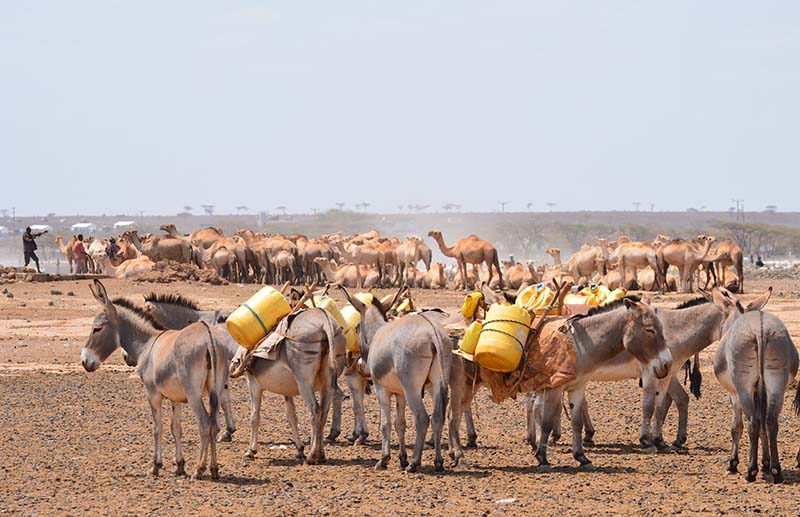
Learning theme 1: Provision of safe water to beneficiaries in the emergency drought response.
Learning theme 2: Community accountability mechanisms utilised by partners that promote community engagement in IRF programmes
Learning theme 3: Targeting of beneficiaries for unconditional cash transfers (UCTs) in the emergency drought response
For each of these themes the facilitative learning process is carried out in 3 stages:
Stage 1: Consultations with implementing partners at TWG and field level.
Stage 2: Reflection and analysis through a learning event.
Stage 3: Commitment to change in subsequent TWG meetings